Graded Pokémon gacha packs · six-tier odds and an EV on every pack · USDC and USDT
Six things, weighted. Hover one for what it measured.
4.0/ 5
Fine, but check the details
Terms checked 2026-11-08.
Not checked yet: min buy-in, deposit fees, where they ship, vault cost.
By Lars Langenstueck, reviewed 2026-11-08
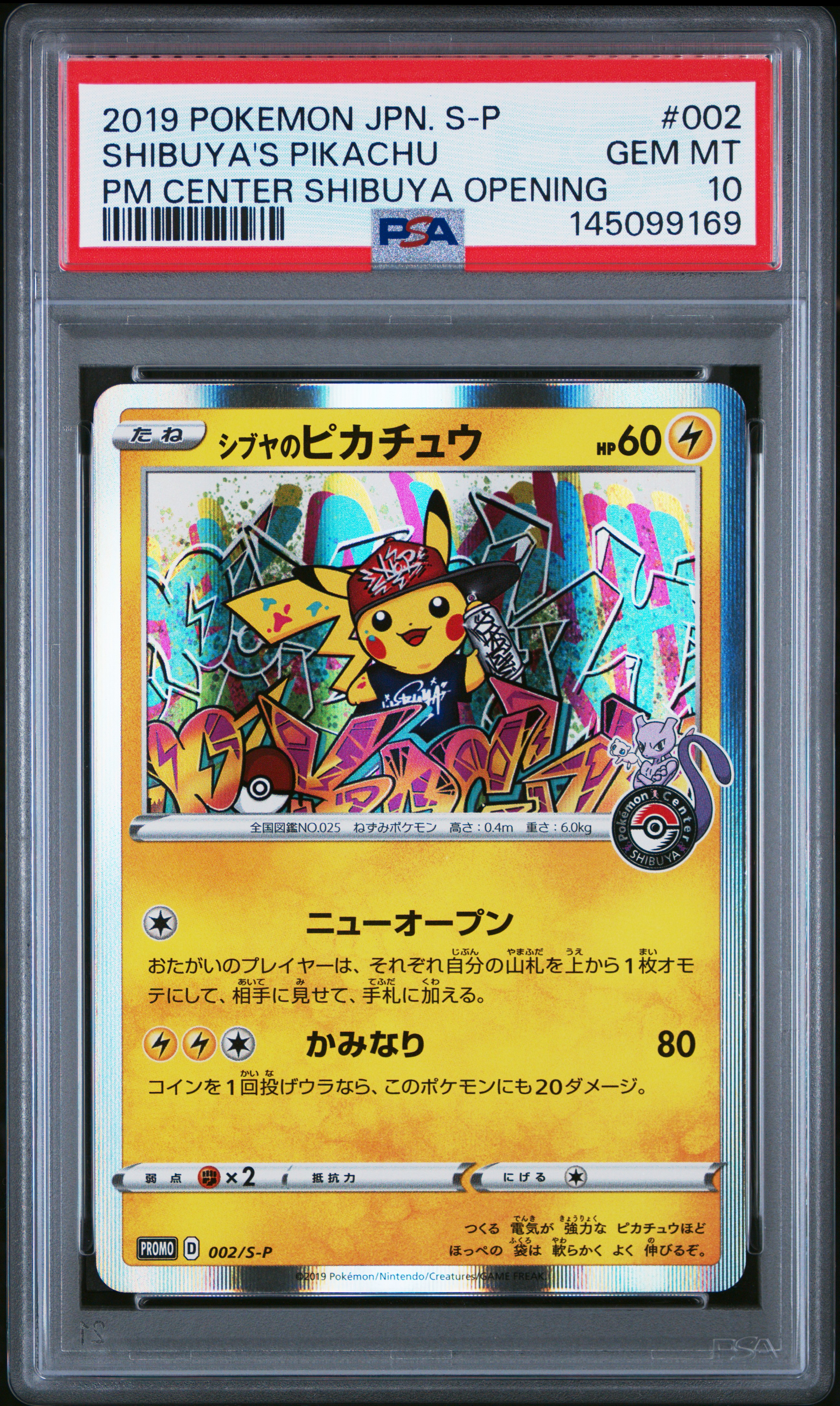
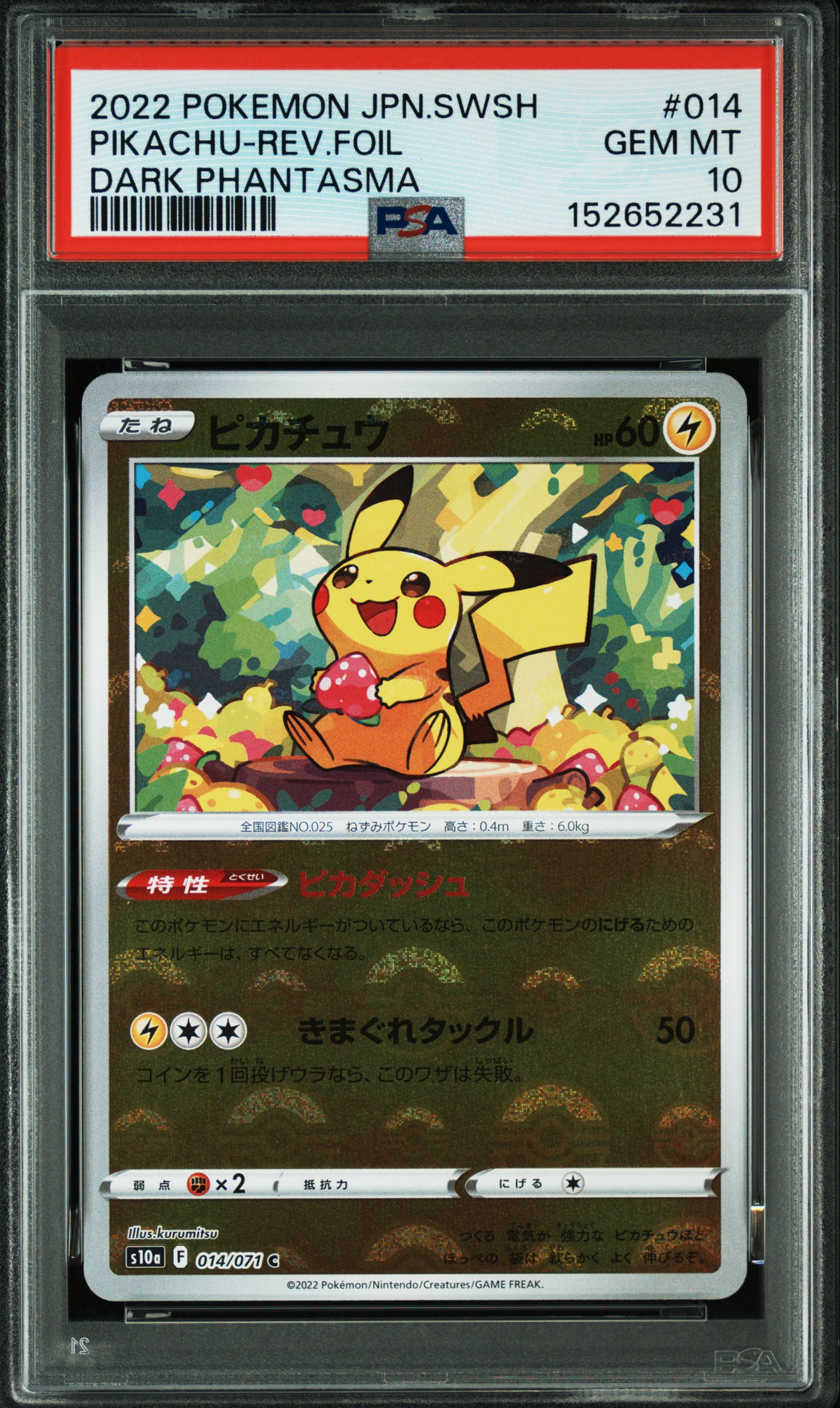
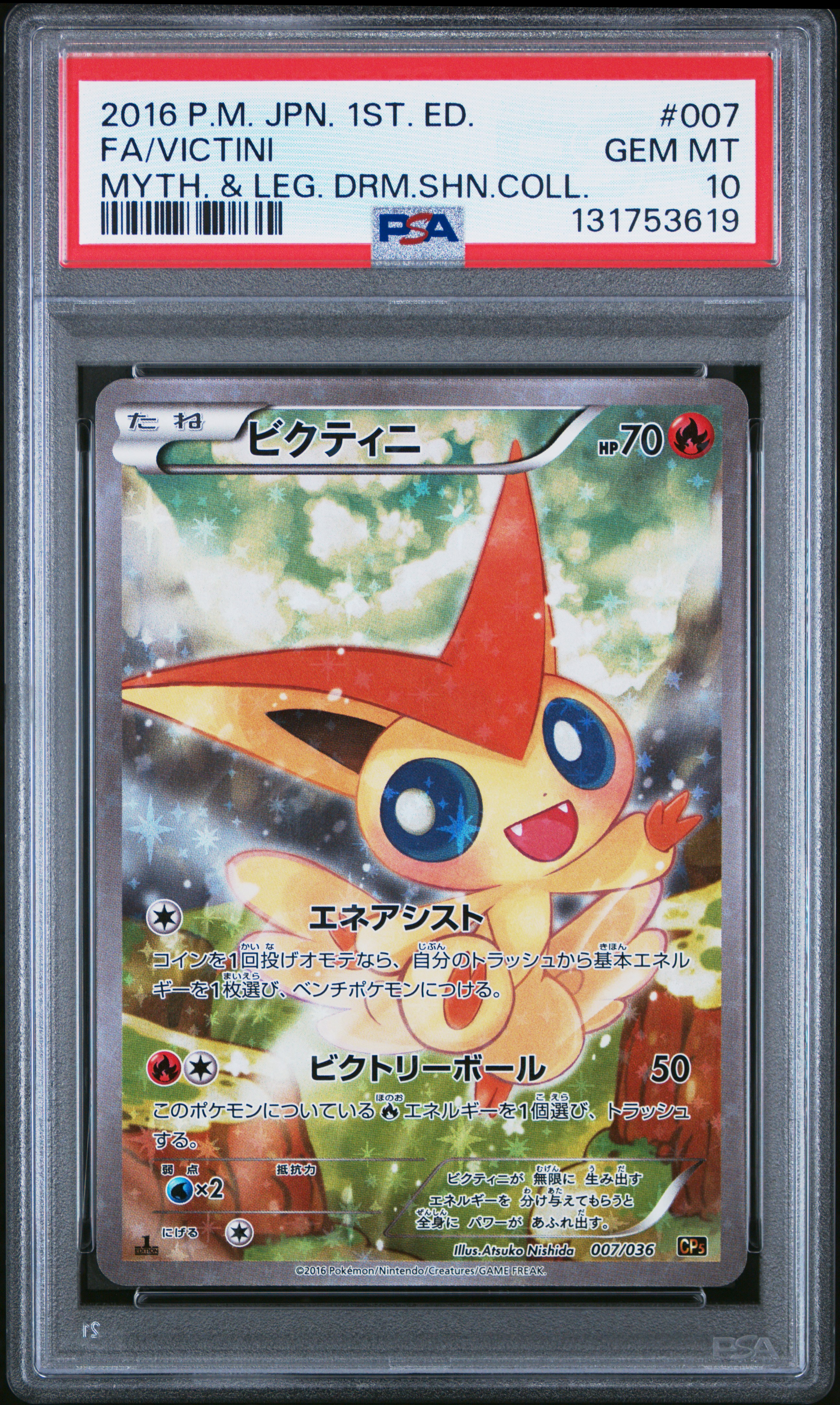
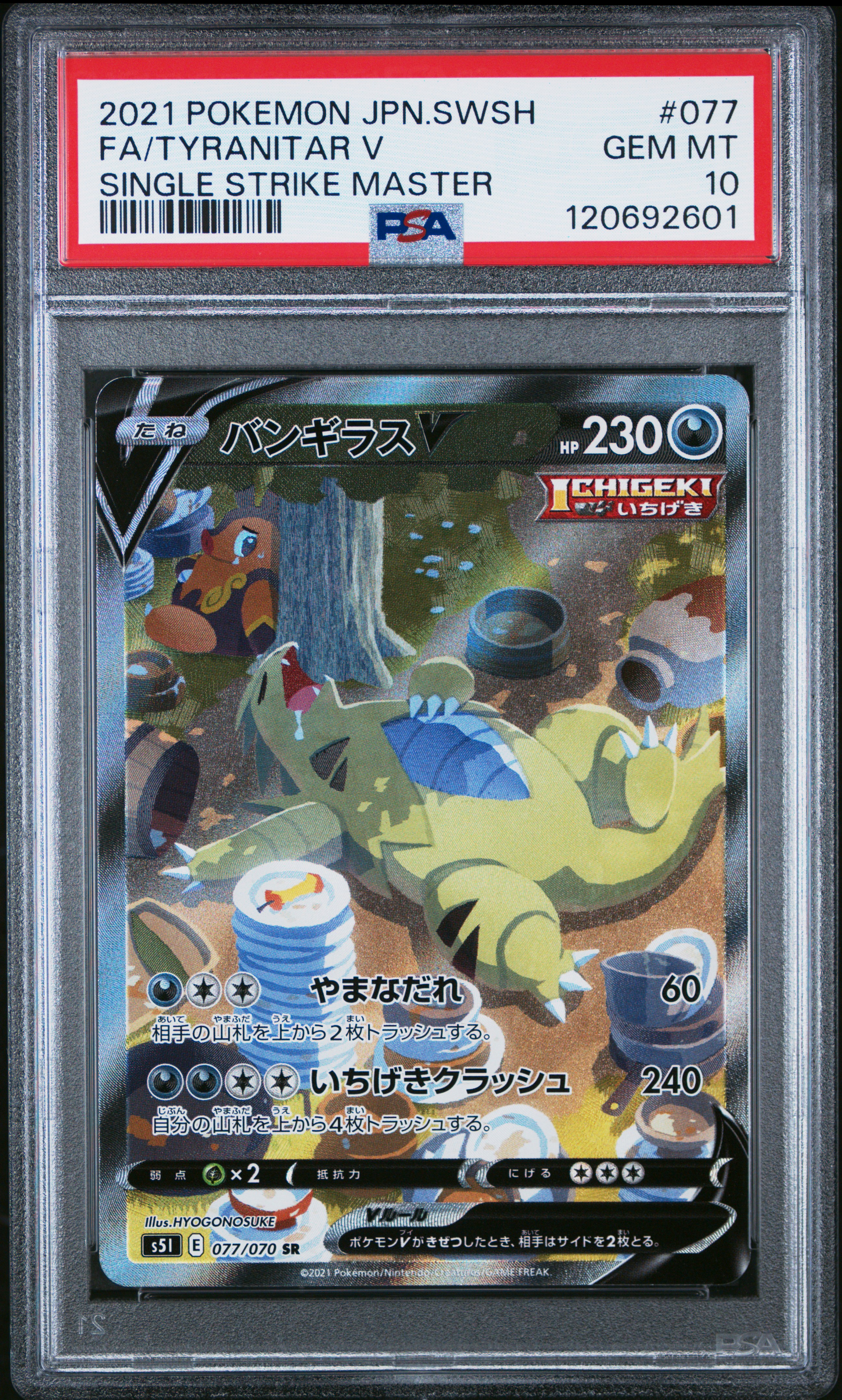
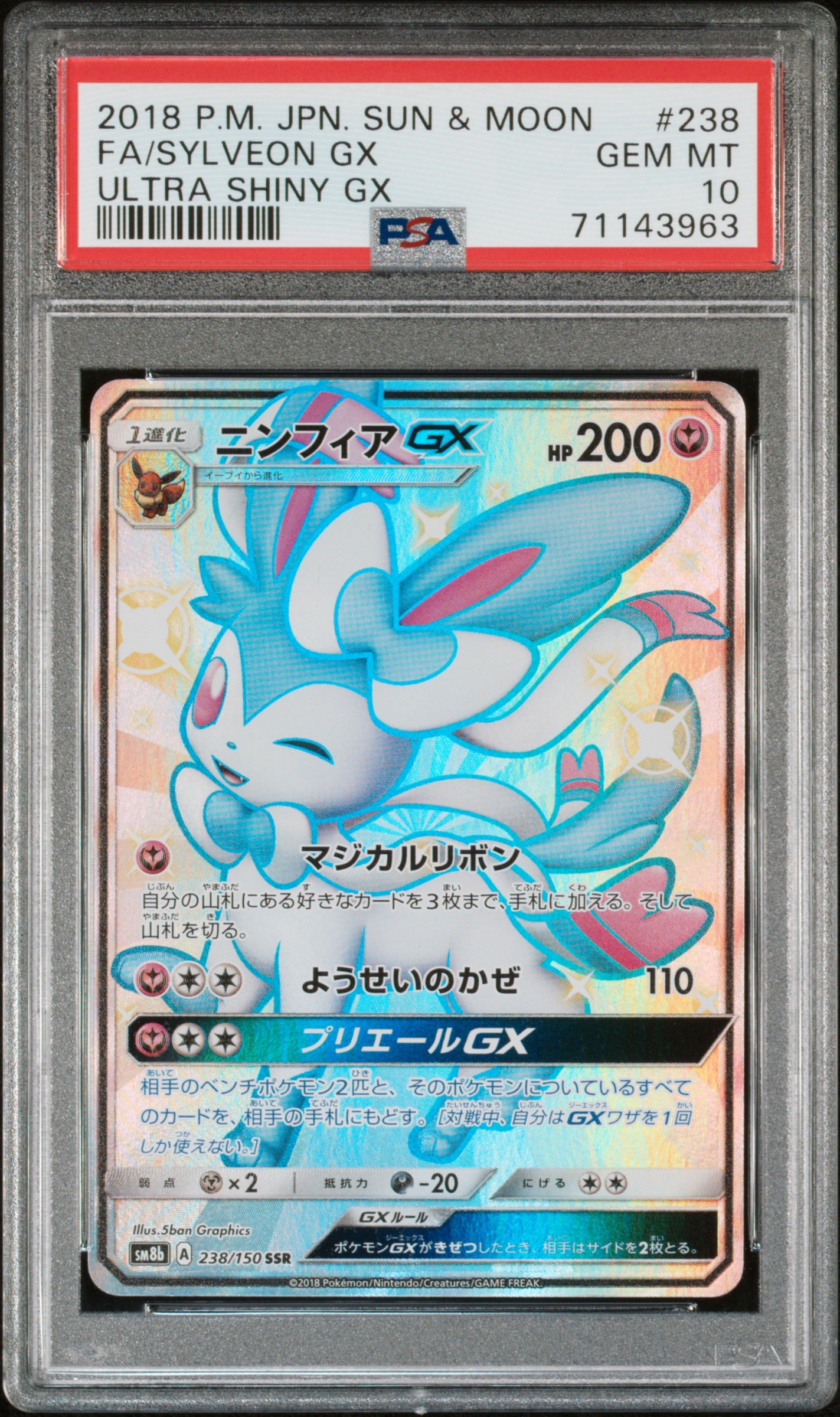
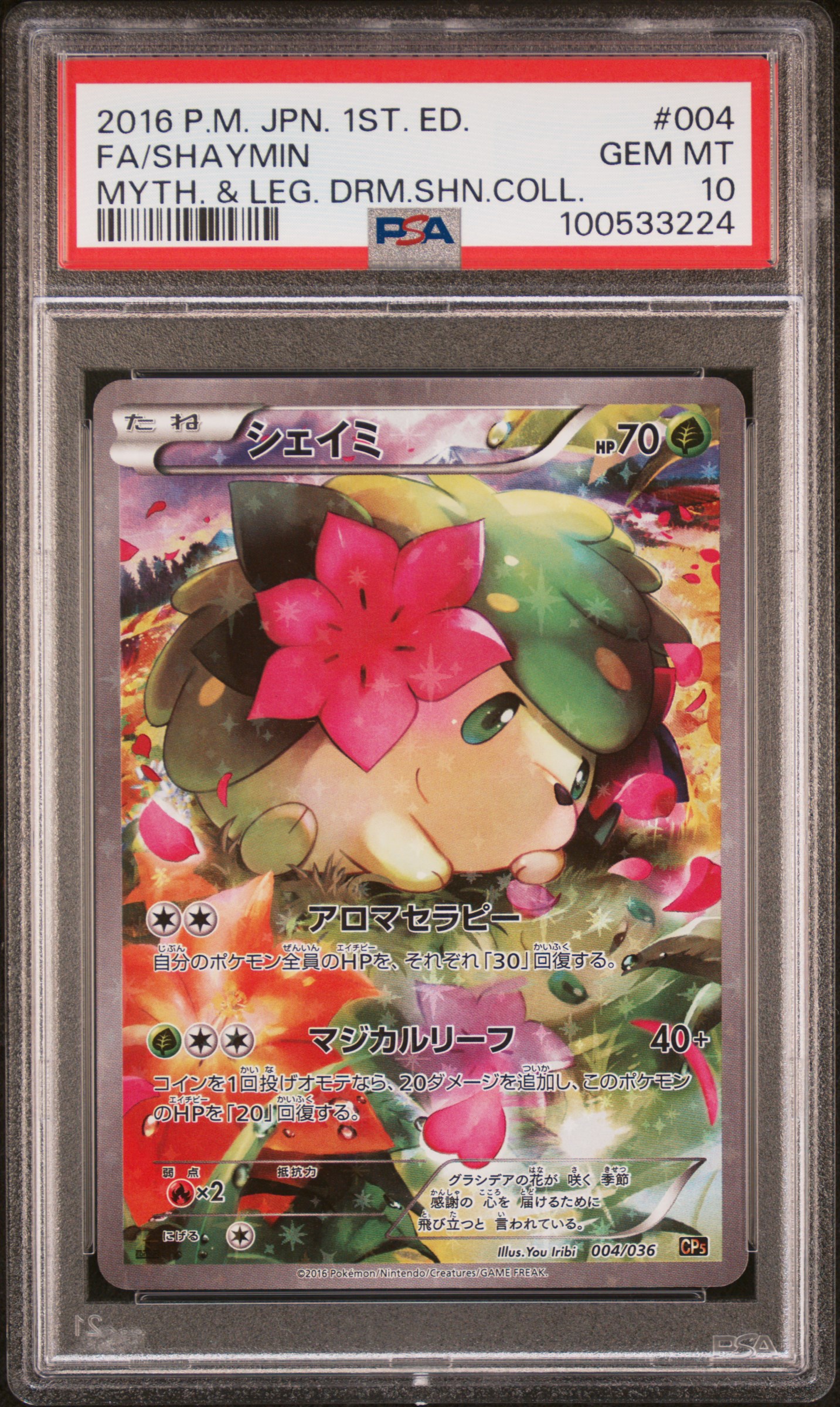
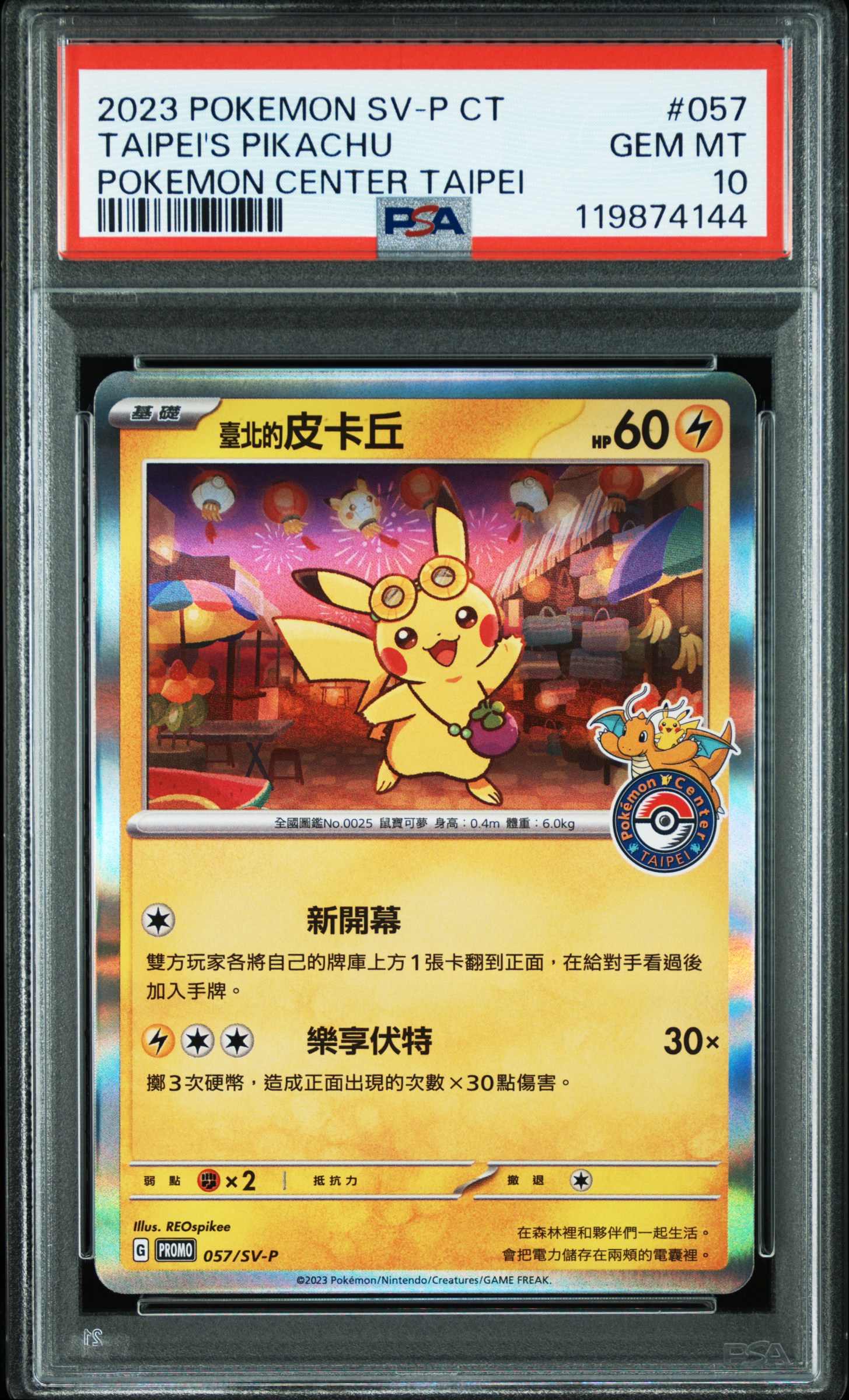
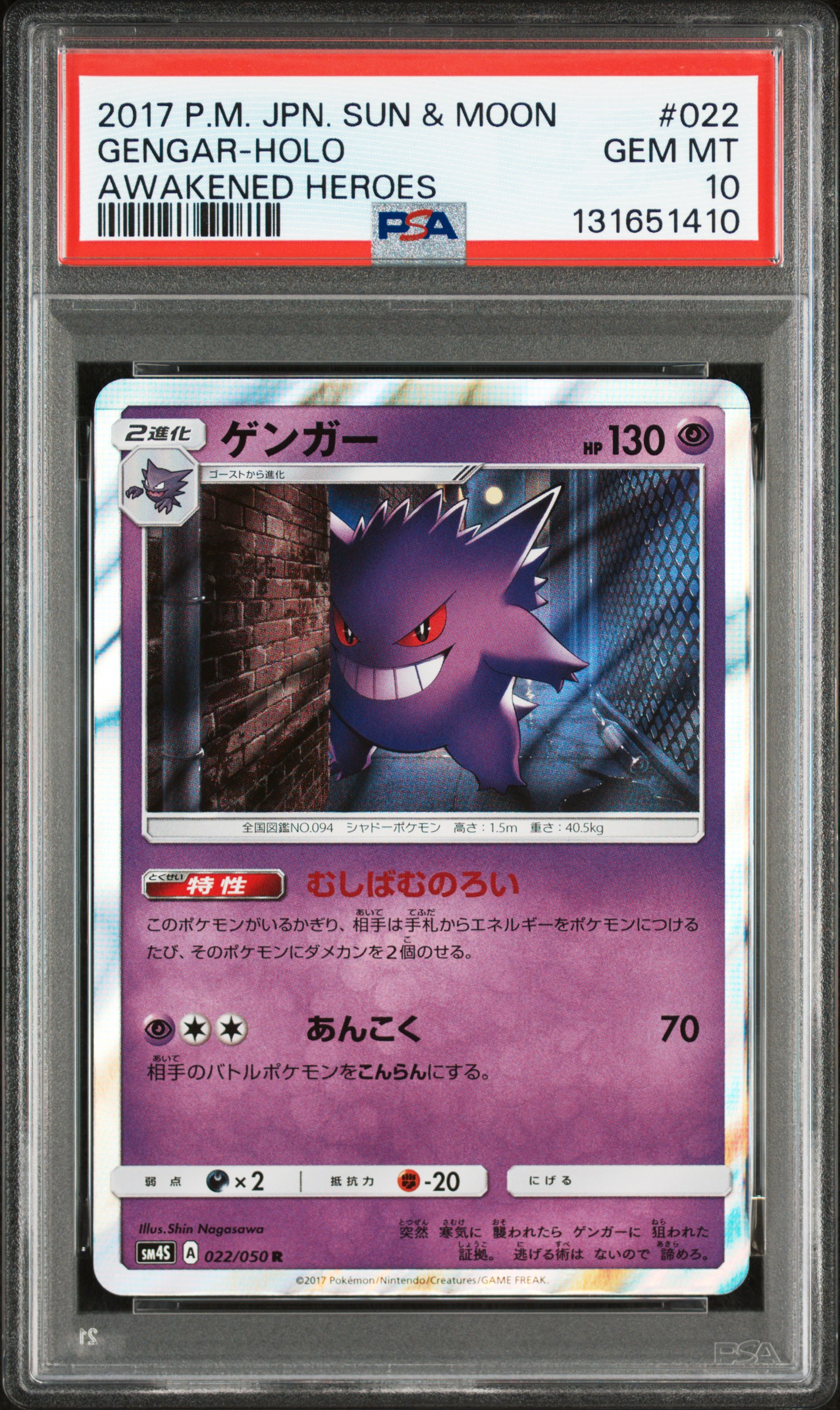
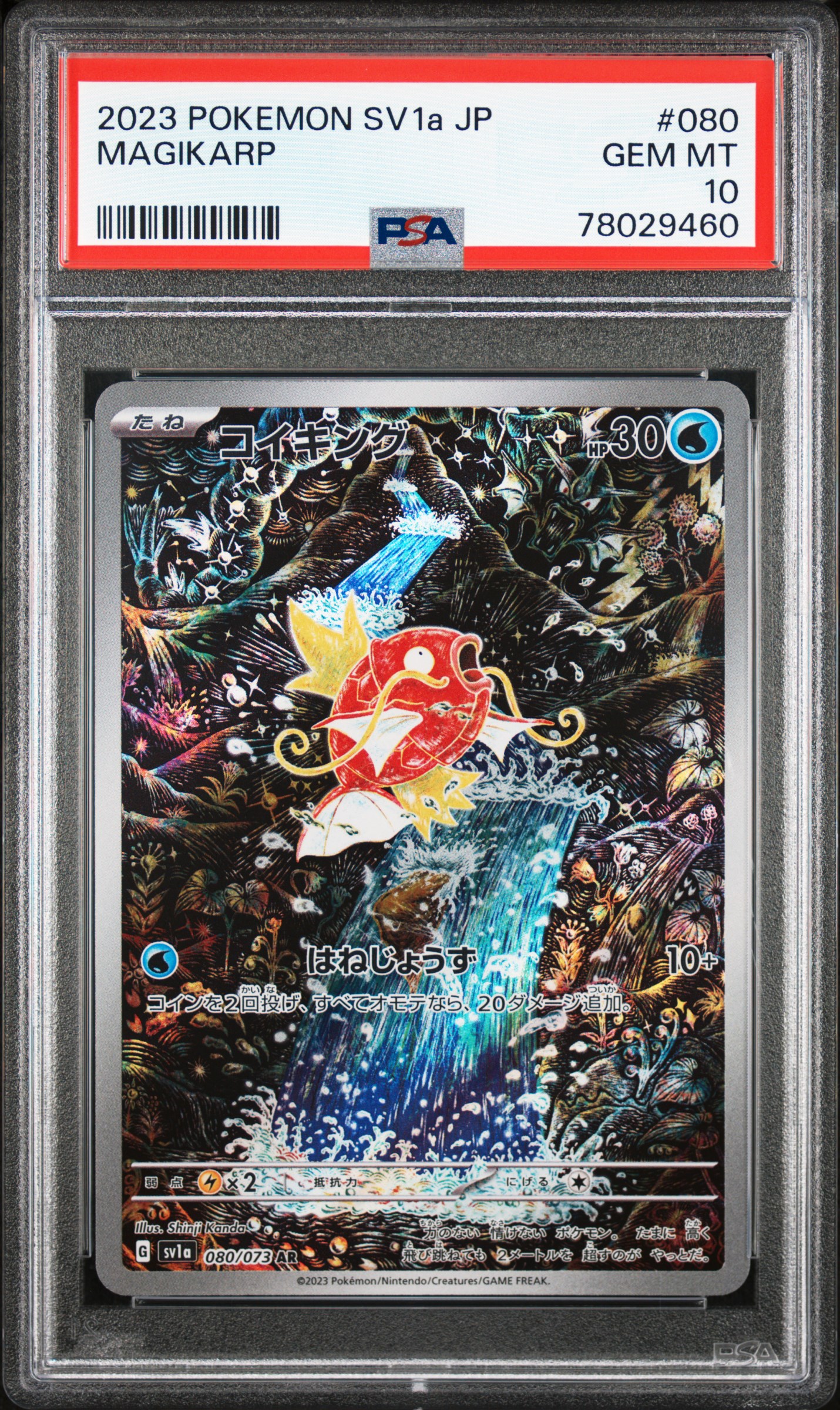
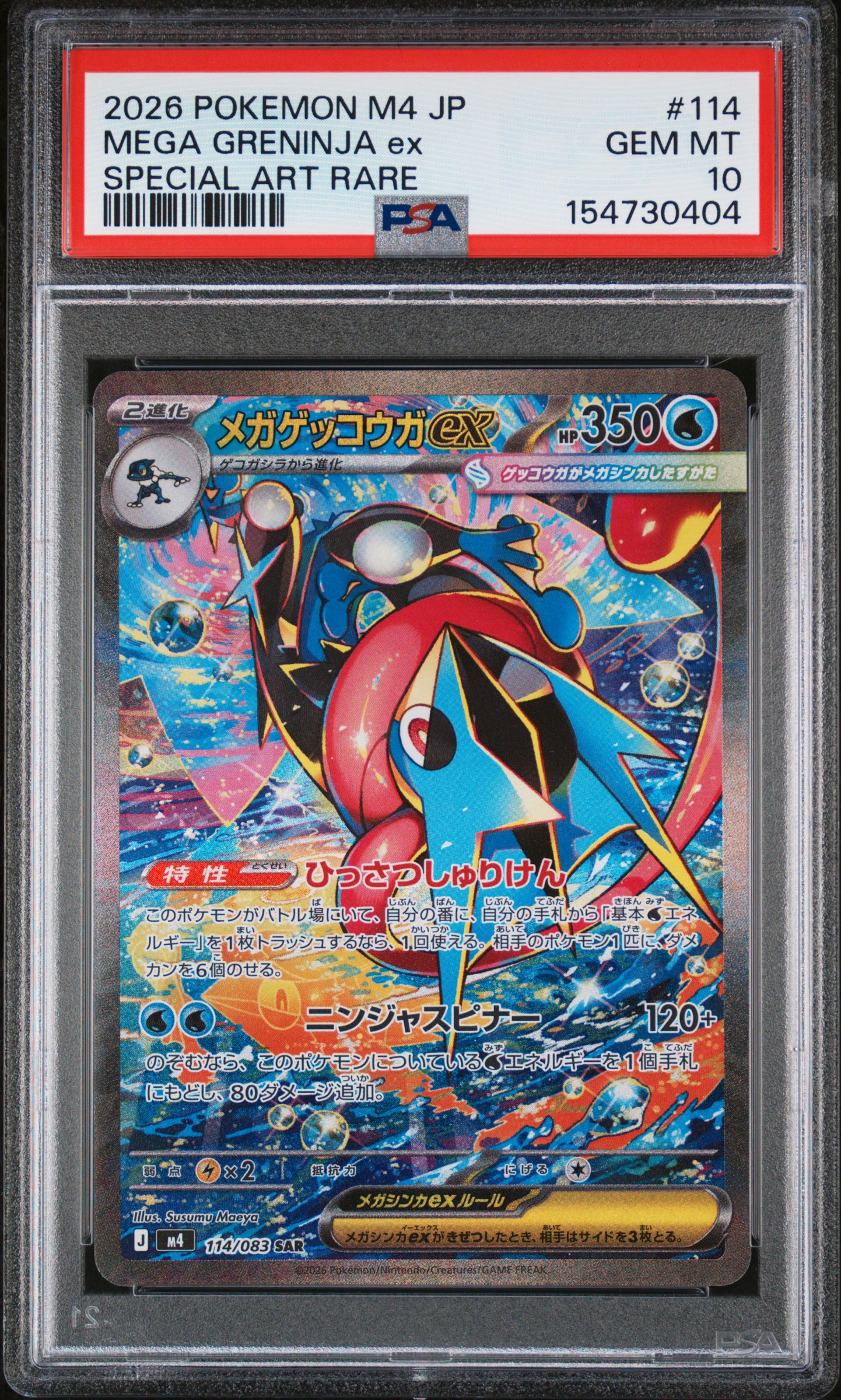
Pull.Fun (pull.fun) sells gacha packs that each pull one real graded card, mostly Japanese PSA 10 Pokémon slabs, held in its vault until you sell it back, list it on its marketplace or have it shipped. You fund your balance with crypto, USDC or USDT on a dozen chains.
There are three card packs, Route One at $50, Victory Road at $100 and Mt. Silver at $250, each with six published tiers from Common to Mythic. Two cheaper Riftbound packs sit beside them, but Legend's own description calls it a demo pack that hands out entitlements rather than physical cards.
Around the packs are a card marketplace, pack battles, a leaderboard and a $TAKO token. This review sticks to the packs.
Our verdict
A friendly-priced gacha shop that tells you a lot up front: every pack shows its six tiers, their value bands and their chances, and an expected value above the price on all three card packs. The trade-offs are just as clear. Its FAQ lists only crypto for deposits, withdrawals need ID verification and a manual review, its pack pages and FAQ quote different buyback rates, and its terms don't name the company behind it. We collect its recent-pull lists but don't show a measured return yet, so the figures here are Pull.Fun's own.

Each pull gives one card from the pack's pool. On the three card packs those are real graded slabs, mostly Japanese PSA 10 Pokémon cards; the pools behind the two cheaper packs also hold some PSA 9s and lower, and the FAQ says many cards on the site are graded by PSA, CGC or BGS. Route One is the cheapest at $50; Victory Road and Mt. Silver step up to $100 and $250. You can pull one at a time or five at once.
The two Riftbound packs, Champion at $5 and Legend at $20, work differently. Legend's own description calls it a catalog-backed demo pack whose draws hand out entitlements, not physical cards, so we don't rate them as card packs.
Each pull first picks a tier at the published rate, then a card within that tier. The six tiers run from Common to Mythic, each with a value band, and on the card packs about four pulls in five land in Common, the band that tops out around the pack's price. The top band has no upper limit, which is where the chase cards sit.
Each pack page also shows an expected value per pack: on 8 November $56.21 on Route One, $106.60 on Victory Road and $258.67 on Mt. Silver, each above its price. The FAQ puts it simply: most packs price at or near breakeven, and the company would rather earn on volume. It is Pull.Fun's own figure on its own card values, not a guarantee.
The draw uses cryptographically secure randomisation, per its terms.
Cards you win are held in Pull.Fun's insured vault. Each pack page advertises an instant 85% buyback offer, while the FAQ says you can sell back at 90% of the live market price for the first hour and 80% after that, for as long as you hold the card. The two don't match, so check the offer you are shown after a pull; the terms are clear that the buyback is discretionary and can change.
Or list the card on the marketplace, where prices are set by sellers, or keep it in the vault.
The FAQ lists one way to pay in, crypto: USDC or USDT on 11 EVM chains, Base, Ethereum and Arbitrum among them, plus Solana. Each account gets its own deposit address per chain, and funds land after the chain's confirmations. Its terms and privacy policy also name Stripe as a payment processor, but the site doesn't describe a card checkout.
To take money out you request a withdrawal from your wallet. Every withdrawal needs KYC verification and is reviewed before it is processed, and fees vary by method. If you are in the EU or UK, starting a pull gives up your right of withdrawal on that purchase once the result is revealed.
Pick the cards in your collection and request a redemption. You pay a processing fee and shipping, higher-value redemptions may qualify for free shipping, and international orders carry a surcharge. Every fee is shown before you confirm.
Pull.Fun's terms are governed by Delaware law, with disputes going to individual arbitration in Wilmington, but they never name the company that operates the site, which is something to weigh before you deposit. You must be 18, or the age of majority where you live if higher, and getting around a regional block with a VPN breaks its terms.
It suits you if you already hold USDC or USDT and want graded Pokémon slabs from packs priced above breakeven on the operator's own expected value. It suits you less if you don't use crypto, or prefer a site with a long record behind it.
Odds, packs and terms are Pull.Fun's to change.
Pull.Fun publishes six-tier odds and an expected value on every pack and holds won cards in an insured vault, with redemption and a buyback. Its terms are governed by Delaware law but don't name the operating company, and withdrawals need KYC and a review.
The pack pages advertise an instant 85% buyback offer; the FAQ says 90% of the live market price for the first hour after a pull and 80% after that. The terms call the buyback discretionary, so it can change.
Its FAQ lists only crypto deposits: USDC or USDT on 11 EVM chains plus Solana. Its terms and privacy policy name Stripe as a payment processor, but the site doesn't describe a card checkout. Withdrawals go out through the wallet after KYC verification.