Graded Pokémon card packs on Solana · a public pull log with proof per pull
Card value out for every dollar in. The line is a 7-day average, the dots are single days.
Each pull’s value against the price of its pack.
| Value ÷ pack price | Pulls | Share |
|---|---|---|
| Under ¼ | 0 | 0.0% |
| ¼ to ½ | 12 | 14.3% |
| ½ to 0.9 | 40 | 47.6% |
| About even | 7 | 8.3% |
| 1.1 to 2× | 8 | 9.5% |
| 2 to 5× | 11 | 13.1% |
| 5× or more | 6 | 7.1% |
Six things, weighted. Hover one for what it measured.
4.0/ 5
Fine, but check the details
Terms checked 2026-11-08.
Not checked yet: min buy-in, deposit fees, withdrawal fee, payout speed, where they ship, vault cost.
By Lars Langenstueck, reviewed 2026-11-08
Ready Cards (ready.cards) sells three digital packs, Booster at $50, Signature at $100 and Grail at $500, and each opens to one professionally graded card, nearly always a PSA slab and mostly Pokémon. The card sits in a vault. You can sell it back, keep it, have it shipped, move it to your PSA Vault account, or withdraw it as a token to your own Solana wallet.
You pay with USDC, USDT or SOL on Solana, or by card, Apple Pay or Google Pay one pack at a time. Money comes back out as crypto to a Solana wallet.
What sets it apart is how much it shows. Each pack's full card pool, with values, is in the pack data its site loads, and the whole history of pulls is public, each one with the data you need to check the draw.
Our verdict
One of the most open sites we track: the pool, the hit rates and every pull are out in the open, and each draw comes with the seeds to verify it. The catch is size and plumbing. It is very quiet, with a few dozen paid pulls a month lately and most recent pulls free coupon pulls, which we leave out of the return. Cash moves in crypto on Solana only, the sell-back rate changes from card to card and you only see it at the reveal, and its terms sit under Panama law.

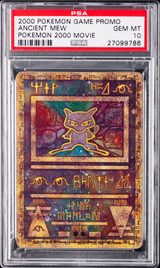
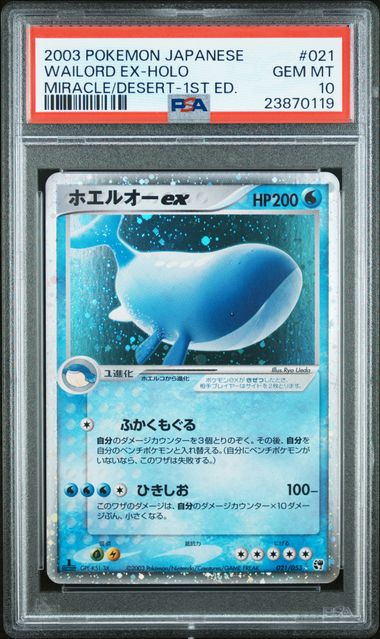
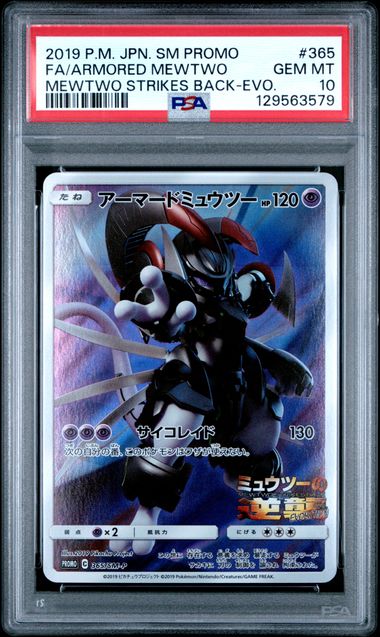
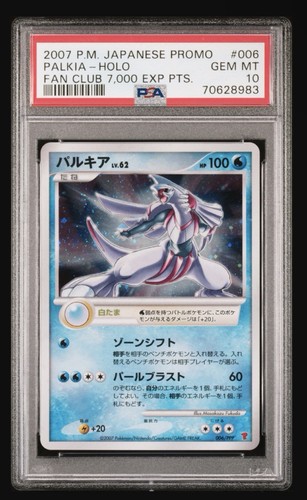
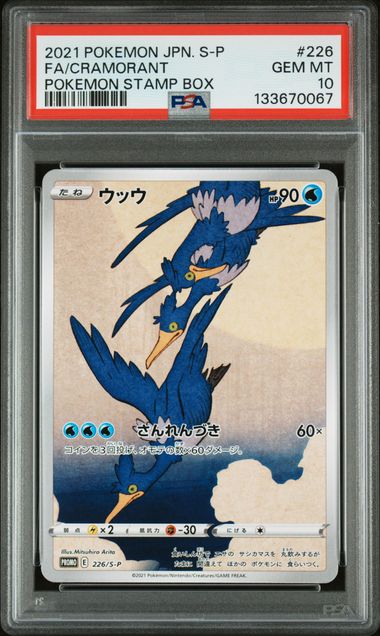
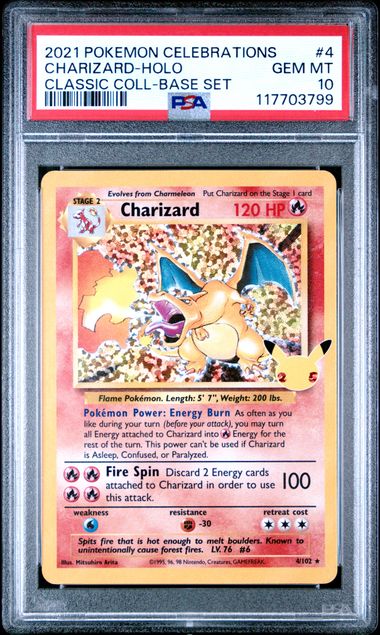
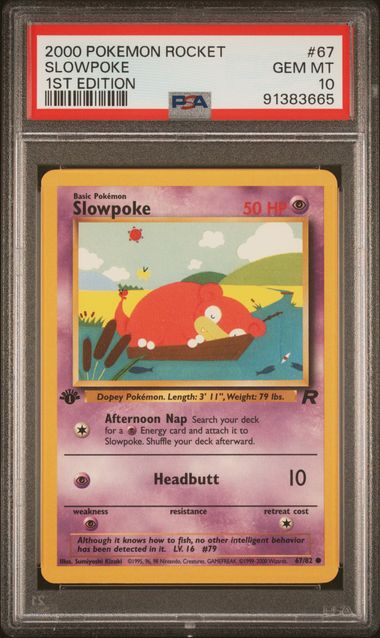
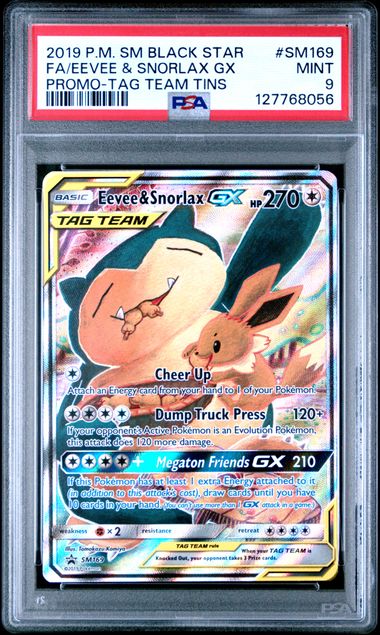
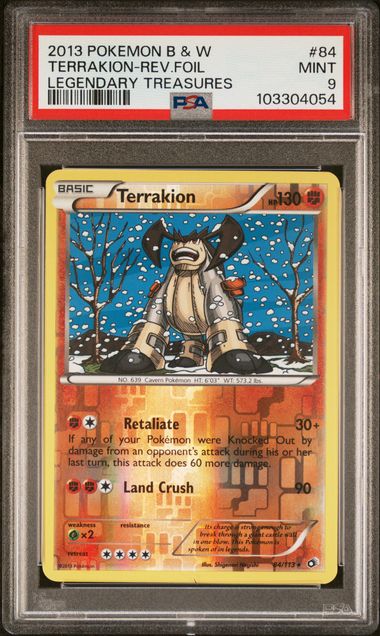
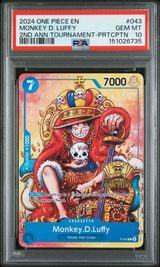
One pack, one graded card. Nearly every card in the pools is a PSA slab, with a few CGC and BGS, and nearly all of them are Pokémon, with some One Piece. The pools are big for a three-pack site, from roughly three hundred cards in the Grail to over a thousand in the Booster, and every one of them, with its value, is in the pack data the site loads. The pack page itself shows a Chase Cards list of the most valuable cards across all three packs, the same list on every pack page.
Card values come from Card Ladder, a third-party price source, and nearly every pull in the log names it. Its own disclaimer says as much: the prices are third-party market data that move, and Ready Cards isn't responsible for changes in card values.
Each pack shows its hit rates: tiers such as Base Hit, Value Hit, Win Hit and Monster Hit, each with a dollar range and a percentage. The percentage is the share of the pool's cards that sit in that tier, so the tiers add up to 100%. On the Booster, 86.9% of the cards are Base Hits; the Grail adds a Big Hit tier of $900 to $4,000 that makes up about a tenth of its pool.
Read the bottom tier with care. The Booster's Base Hit is labelled $25 to $60, but Ready Cards' own pack data puts its cheapest card at $5, and on 8 November nearly one card in five in the Booster pool was worth less than $25. The Signature's and Grail's bottom tiers reach well under their labels too.
The pack data also carries an EV target for each pack: 107.7% of the price on the Booster and 106.5% on the Signature and Grail on 8 November. It isn't printed on the pack page, and it is a target, not a promise about your pull. That is Ready Cards' figure. The measured returns on this page count paid pulls only.
Before a pack is sold, Ready Cards locks a secret server seed and publishes its hash. When you pull, your card is picked from SHA-256 of the server seed, your client seed and the pull number. Every pull in the public log carries the seed hash, the client seed, the result, the size of the pool at that moment and the index of the card picked, so you can redo the arithmetic.
The same log shows how quiet the site is. On 8 November it held a little over five thousand pulls in all, and in the hundred most recent, 84 were coupon pulls that cost the buyer nothing.
After the reveal you get an instant buyback offer. Ready Cards advertises up to 100% of the card's fair market value, but says the rate depends on the card, and you only see the exact offer before you confirm. The offer is open for 24 hours. Turbo Mode, for opening several packs quickly, sells every card worth less than the pack price straight away, and that can't be undone.
Sale money lands in your balance, and you withdraw it in USDC, USDT or SOL to a Solana wallet address. The site offers no bank or card payout.
One mismatch to know about: the pack blurb calls the cards fully insured, while the custody page only says they may be covered by insurance held by Ready Cards or its vault providers, subject to the policies' limits and exclusions.
You can ask for a card to be shipped, after identity checks and on payment of the redemption, handling and shipping fees; customs, duties and taxes are yours. Once the card is handed to the carrier it travels at your risk. If you keep your collection with PSA, eligible cards move to your PSA Vault account in one click instead, and any card can be withdrawn as a token to a Solana wallet of your own.
Ready Cards Inc. runs the site. Its terms are governed by the law of Panama, disputes go to binding arbitration there, and you waive class actions. It turns away sanctioned jurisdictions, says it may restrict US users, and leaves it to you to check that packs are legal where you live. It also has its own token, $READY.
It suits you if you're comfortable with Solana, collect graded Pokémon, and want to see the pool and check the draw rather than take a site's word for it. It suits you less if you want a bank payout, a fixed sell-back rate, or a busy site with plenty of recent pulls to judge it by.
Odds, packs and terms are Ready Cards's to change.
Ready Cards is run by Ready Cards Inc. and publishes more than most sites: every pack's card pool with values, its hit rates, and a public log of every pull with the seeds to verify the draw. It is small and quiet, pays out in crypto only, and its terms are governed by Panama law.
Sell the card back within 24 hours at the offer shown, which varies by card, then withdraw USDC, USDT or SOL to a Solana wallet. You can also withdraw the card itself as a token, move it to your PSA Vault, or have it shipped.
Yes. The server seed's hash is published before packs are sold, each card is picked from SHA-256 of the server seed, your client seed and the pull number, and every pull in the public log shows those inputs, the pool size and the card index.